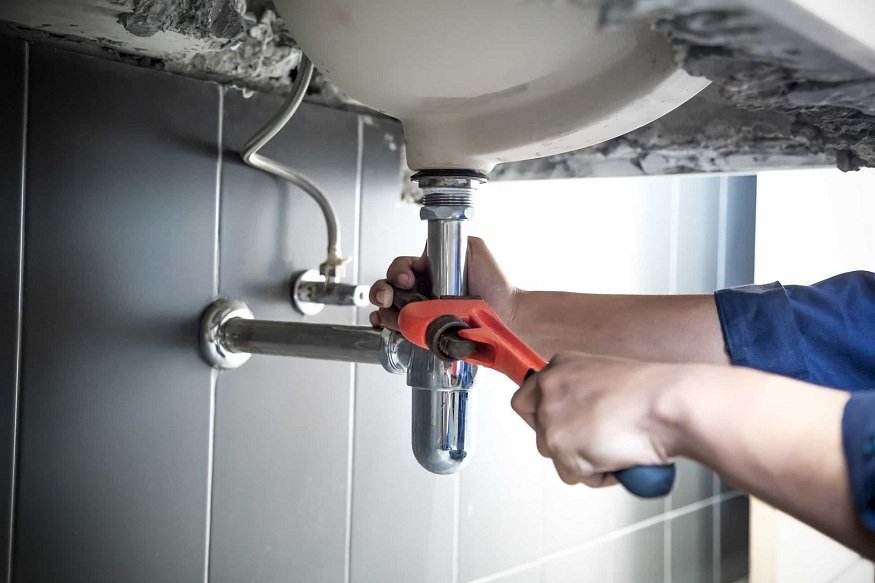
Rarely do plumbing crises occur at convenient times. A water heater that abruptly stops working, a burst pipe during the night, or an overflowing toilet before guests arrive can all leave homeowners feeling anxious and unsure of what to do. While contacting a professional is often the right decision, knowing how to respond before making the call can reduce damage, improve safety, and help the repair process move more efficiently.
Understand What Qualifies As A Plumbing Emergency?
Not every plumbing issue requires immediate attention. In most cases, a slow drain or dripping tap may wait for a scheduled maintenance appointment. However, situations involving uncontrollable water leaks, sewage backups, burst pipes, overflowing fixtures, or complete water supply failures should be treated as emergencies.
Recognizing the difference helps homeowners seek assistance when it is truly necessary while avoiding unnecessary emergency service costs for minor issues.
Shut Off The Water If Possible
One of the first actions homeowners should take during a plumbing emergency is locating and turning off the appropriate water supply. For isolated problems, shutting off the fixture valve may be enough. If the leak is severe or the source is unknown, turning off the home’s main water supply can prevent thousands of gallons of water from causing additional damage.
Every homeowner should know where the main shutoff valve is located before an emergency occurs. When every minute counts, this straightforward preparation can have a big impact.
Read More: The Cost Benefits of Installing Automatic Hand Dryers in Your Business
Gather Useful Information Before Calling
Providing accurate information allows plumbers to prepare for the job before they arrive. Homeowners should be ready to describe the problem clearly, including when it started, whether the leak is continuous, and which plumbing fixtures are affected.
Mentioning unusual sounds, water discoloration, foul odors, or recent plumbing work can also help narrow down possible causes. Better communication often leads to faster diagnosis and more efficient service.
Avoid Temporary Repairs That Could Make Things Worse
During stressful situations, it may be tempting to attempt major repairs without proper knowledge. Unfortunately, improper repairs can increase water damage or create additional plumbing complications.
Simple steps like placing buckets under leaks or using towels to contain water are generally safe. More complex repairs should be left to professionals who have the proper tools and experience to restore the plumbing system safely.
Clear Access To The Problem Area
Before the plumber arrives, removing furniture, storage boxes, or household items from the work area allows repairs to begin immediately. Clear access also helps technicians inspect surrounding plumbing components that may have contributed to the emergency.
Preparing the space in advance saves valuable time and creates a safer working environment for both the homeowner and the plumber.
Know That The Visible Problem May Not Be The Only One
Many plumbing emergencies are symptoms of larger underlying issues. A leaking ceiling could originate from a damaged pipe several feet away, while repeated drain backups may indicate problems within the main sewer line.
Professional technicians performing Emergency plumbing repair often inspect the surrounding plumbing system to identify hidden issues that could lead to future failures. This thorough approach helps prevent repeated emergencies and protects the overall condition of the home’s plumbing network.
Ask Questions About The Repair
Homeowners should not hesitate to ask questions during the repair process. Understanding what caused the problem, how it was repaired, and whether additional maintenance is recommended provides valuable insight for future prevention.
Professional plumbers are generally willing to explain the repair process and offer practical advice that helps homeowners avoid similar emergencies in the future.
Read More: Designing A Bathroom That Works ForThe Whole Family
Focus On Long-Term Prevention
Once the emergency has been resolved, it is wise to consider preventative measures. Regular plumbing inspections, replacing aging pipes, monitoring water pressure, and addressing minor leaks promptly can greatly reduce the likelihood of future emergencies.
In addition to extending the life of the entire plumbing system, preventive maintenance is frequently significantly less costly than emergency fixes.
Conclusion
Calling an emergency plumber is sometimes unavoidable, but being prepared before making that call can reduce stress and limit property damage. Knowing how to shut off the water, recognizing genuine emergencies, providing accurate information, and understanding that hidden issues may exist all contribute to a smoother repair process. With the right preparation and professional assistance, homeowners can handle plumbing emergencies more confidently while protecting both their property and their long-term investment.

Be First to Comment